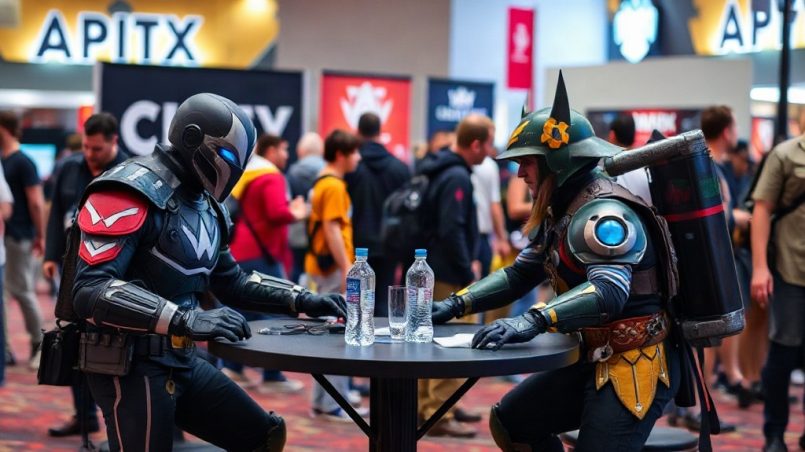
Cosplay, tabletop, and esports sit side by side at PAX, and that mix is exactly why the convention feels different from a single-focus event. Picture a hall where a foam-armored knight waits in line behind a card player shuffling a deck, while a bracket match plays on a screen nearby. Most gaming conventions pick one lane; PAX deliberately runs all three at once, and attendees move between them in the same afternoon. This guide explains what that combination looks like in practice and how to get the most from it, whether you skim the latest game news or plan months ahead.
Quick answer: PAX stands out because cosplay, tabletop gaming and esports share one floor, so you can compete, craft, and watch in the same visit. Pick one anchor activity each day, check the schedule early, and leave buffer time to wander the free-play areas. Expect crowds and sold-out events, so plan ahead and book what matters most.
What is cosplay tabletop and esports?
These are three distinct gaming cultures that PAX brings under one roof. Cosplay is costume craft and performance. Tabletop covers board games, card games and role-playing sessions at real tables. Esports is competitive video gaming, from casual brackets to high-level finals. At PAX, each has dedicated space and its own community.
The three cultures also differ in how you participate. Cosplay is largely something you prepare beforehand, with builds taking weeks of work before a single photo is taken. Tabletop rewards sitting down and staying a while, often for an hour or more per game. Esports moves fastest of all, with matches decided in minutes and brackets advancing through the day, so spectators can drop in for a single round and still follow what is happening.
Cosplay: craft on display
You will see elaborate builds and simple closet costumes side by side. Photo meetups and costume contests give cosplayers a stage, but much of the appeal is the hallway culture. People stop, compliment a prop, and swap construction tips.
Tabletop: games at real tables
A large hall full of tables plays host to board games, card tournaments, and cooperative sessions with strangers. The draw is social play, not a screen. Many attendees come specifically for long board-game sessions.
Esports: competition and spectatorship
Tournaments run alongside casual play, and audiences gather for finals. You can watch without competing, or join a side bracket if you feel ready.
Why the mix works
Each zone feeds the others. A cosplayer discovers a card game, a spectator tries a bracket, and a tabletop fan finds a costume to photograph. The crossover is the point, not an accident of scheduling.
Why cosplay tabletop and esports matters
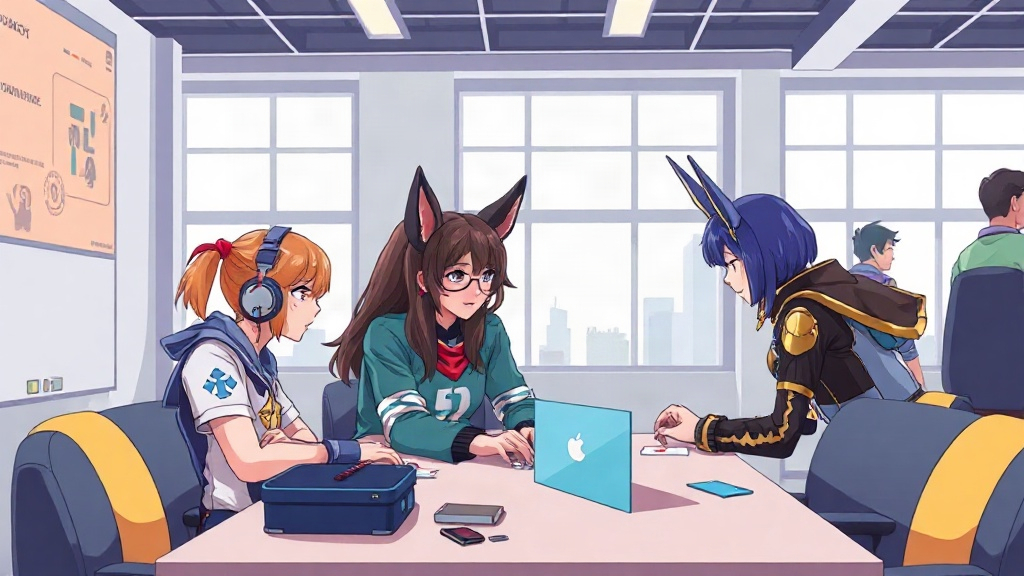
This combination changes how people experience a convention. Single-focus events reward one kind of fan. PAX rewards curiosity, because the next interesting thing sits a few steps away.
It also gives newcomers a low-pressure way to find their niche. Someone unsure about competitive gaming can spend a morning watching finals, borrow a deck for a casual card game in the afternoon, and still end the day photographing costumes in the main hall. That sampling is hard to arrange anywhere else. The shared floor also keeps communities visible to one another, so a first-time attendee who came for one hobby often leaves with two more.
Social play beats solo play
Tabletop areas put strangers at the same table with a shared goal. That structure makes conversation easy. Esports and cosplay both run on community, from crews building costumes together to fans analyzing a final.
Community and skill sharing
Costume workshops, game demos, and tournament play all let people learn from each other. A beginner can ask a cosplayer how a prop was built or a player how a deck works. These exchanges happen in person, which is hard to replicate online.
Accessible entry points
You do not need a high-end PC or years of practice. Many tabletop games teach new players in minutes. Cosplay accepts closet builds and thrift-store finds. Bracket events often welcome casual players alongside veterans.
A single ticket can cover competitive play, hands-on crafting, and casual board games with strangers. That breadth is what distinguishes this convention from single-focus events.
Takeaway: the mix lowers the barrier to trying something new and creates room for social connection.
Best practices
Keep a small essentials pouch on you rather than in a bag checked at the door, with a charged power bank, hand sanitizer, and a snack, since queues for food peak around midday. Photograph the schedule board or screenshot the app each morning so you can check times without hunting for a signal in a crowded hall. When you join a tabletop pickup game, ask the table leader how long the round runs before you commit, because a two-hour session can quietly swallow the panel you planned to attend next.
Plan around one anchor activity per day
Pick a headline draw each day and treat everything else as a bonus. If a cosplay contest final matters to you, schedule the afternoon around it. Leave breathing room.
Prepare your cosplay for crowds
Conventions mean long hours on your feet. Pack a repair kit with thread, glue, and tape. Carry water and snacks. Test props before the event. Comfort matters as much as accuracy.
Learn the basics before a tabletop session
Read the rules of a game you want to try, even briefly. Arriving with basic knowledge speeds up the table. For tournaments, check formats in advance.
Approach esports as a spectator first
Watch a round before joining a bracket. You learn the flow and the pace. If you do compete, arrive early for setup and bring your own peripherals where allowed.
Use the schedule to manage lines
Panel and tournament slots fill quickly. Check the daily schedule the night before and set priorities. For a related read, see what to expect at PAX West 2026 to plan around specific events.
Leave at least an hour unplanned each day. Lines, photo requests, and spontaneous game invites consume more time than the schedule suggests.
Takeaway: anchor your day, prepare your gear, and expect the schedule to shift.
Common mistakes to avoid
Treating the three zones as separate trips is another common misstep. Attendees who spend all of Friday in the tabletop hall often miss that the same wristband admits them to cosplay photo meetups and esports viewing areas, so crossing the floor costs nothing but a short walk. Check whether your badge covers evening finals before you leave the venue to rest; some finals run late and re-entry lines can be long. Finally, keep your valuables secure in crowded photo areas, where posing crowds cluster and bags sit unattended.
Overscheduling every hour
A packed plan collapses when a line runs long. Two or three firm commitments per day is plenty. The rest should be flexible.
Ignoring physical limits
Walking a large hall in heavy armor or new boots wears you down. Break in footwear well before the event. Take seated breaks in tabletop areas.
Neglecting tabletop etiquette
Do not teach a game uninvited or rush a turn. Ask before joining. New players need patience, and experienced groups may already have a full roster.
Assuming esports is only for pros
Brackets often separate skill levels, and casual play zones exist. Skipping them out of nerves means missing an approachable entry point.
Forgetting recovery time
Cons take energy. A quiet meal and an early night protect the next day.
Prop policies and tournament conduct rules vary by venue and year. Check official guidance before the event so a prop or a ruling does not catch you off guard.
Takeaway: pace yourself, respect shared spaces, and read the rules before you arrive.
FAQ
Do I need a professional cosplay to fit in?
No. Closet builds and simple costumes are common. Effort matters more than budget, and photo meetups welcome a range of styles.
Is tabletop friendly to total beginners?
Yes, in most free-play areas. Ask a volunteer or organizer where beginners are gathered, and let the table leader know it is your first game.
How much should I budget for a PAX visit?
Costs vary widely by city, hotel, and travel. Plan for ticket, lodging, food, and a modest gear buffer. Tabletop sessions and casual play are often low cost.
Can I attend esports events without competing?
Yes. Spectating is a core part of the experience. Finals draw audiences, and watching is an easy way to learn the scene.
How early should I plan?
Start with tickets and lodging, since both sell out. Then build your schedule around confirmed events. Closer to the date, finalize your cosplay and travel logistics.
Conclusion
Cosplay tabletop and esports make this convention more than a game expo. The floor rewards the curious, because a costume, a board game, and a bracket final are all reachable in one afternoon. Plan around one anchor activity each day, prepare your gear, and leave room for the unplanned. Your next step: check the official schedule and lock in your top ticket item today.