Game stability is a critical concern for developers and players alike. In Seattle, WA, where the gaming community thrives, ensuring smooth gameplay can set your title apart. Studies show that 70% of gamers abandon a game if it crashes frequently. For those exploring modding, a well-configured stardew valley smapi configuration can also enhance stability.
Seattle’s unique climate, with its damp winters and mild summers, can even impact hardware performance. This guide will walk you through practical steps to optimize game stability. Transitioning from basics to advanced techniques, you will find actionable advice tailored for Seattle’s environment.
Understand the Causes of Game Instability
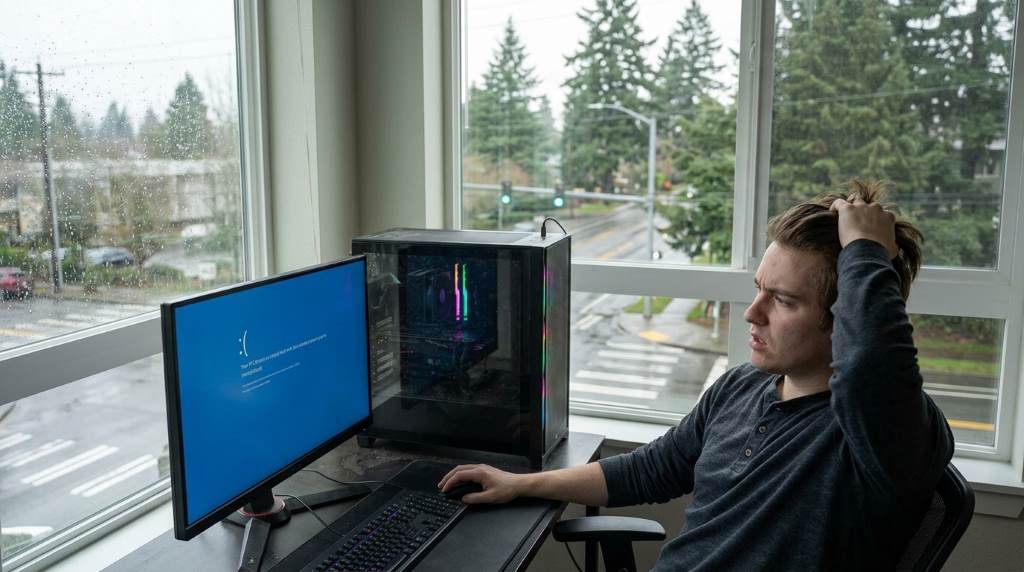
Game crashes often stem from outdated drivers or conflicting software. Seattle’s tech-savvy population frequently encounters these issues due to diverse hardware setups. Additionally, overheating can cause instability, especially during long gaming sessions.
Another common culprit is insufficient system resources. Games demand more RAM and CPU power than ever before. In Seattle, where many use high-end PCs, this remains a persistent challenge. Moreover, poorly optimized game files can lead to frequent freezes.
Network latency is another factor, particularly for online multiplayer games. Seattle’s robust internet infrastructure helps, but local server issues can still disrupt gameplay. For example, trucking skills ets2 can suffer if connection stability is not maintained.
Optimize Your Hardware for Stability
Start by updating your graphics drivers to the latest version. Manufacturers release patches to fix bugs that cause crashes. Seattle’s gamers should check for updates monthly to stay ahead.
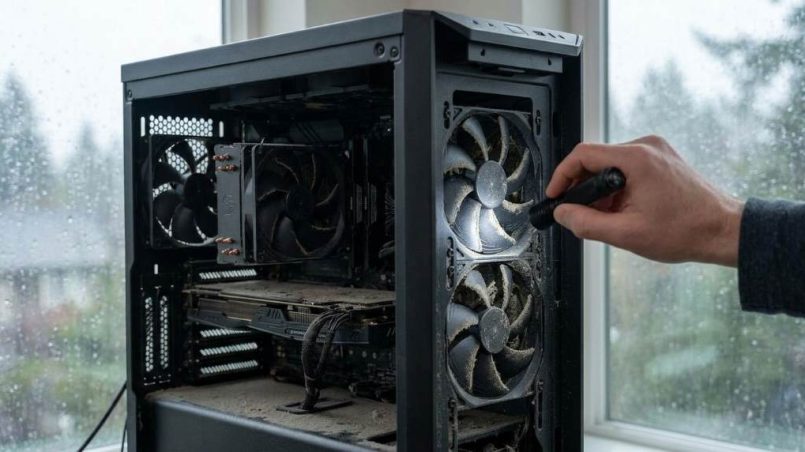
Next, ensure your PC has adequate cooling. The city’s humid climate can exacerbate heat buildup in systems. Invest in quality cooling pads or liquid cooling solutions to maintain optimal temperatures.
Upgrading your RAM can also prevent instability. Most modern games require at least 16GB of RAM for smooth performance. Additionally, a solid-state drive (SSD) reduces load times and improves overall stability.
For those into virtual reality, budget friendly vr gaming setups in Seattle must prioritize hardware compatibility. Mismatched components often lead to crashes.
Software Solutions for Game Stability
Run a thorough scan for malware and viruses. These can corrupt game files and cause instability. Use trusted antivirus software and perform regular scans.
Reinstalling the game can resolve persistent issues. Corrupted files often go unnoticed until they cause crashes. Always back up your save files before taking this step.
Adjusting in-game settings can also improve stability. Lowering graphics settings reduces the strain on your hardware. Seattle’s gamers often overlook this simple yet effective solution.
Utilize game optimization software like Razer Cortex or MSI Afterburner. These tools help manage system resources efficiently. They are particularly useful for Seattle’s diverse range of gaming setups.
Advanced Techniques for Developers
Developers should implement robust error-handling mechanisms in their code. This practice prevents crashes by gracefully managing unexpected events. Seattle’s indie game scene can benefit greatly from this approach.
Memory management is another critical aspect. Poorly managed memory leads to leaks, which cause instability over time. Use profiling tools to identify and fix memory issues early in development.
Beta testing in diverse environments can uncover stability issues. Seattle’s varied hardware landscape makes it an ideal location for such tests. Gather feedback from local gamers to refine your game.
For games involving social features, understanding snapchat planet meanings can inspire unique in-game interactions. This can also help in creating stable social integration within games.
Network and Server Optimization
For online games, server stability is paramount. Use dedicated servers with high uptime guarantees. Seattle’s proximity to major data centers can reduce latency for local players.
Implement a content delivery network (CDN) to distribute game assets efficiently. This reduces load times and minimizes the risk of crashes due to slow asset loading.
Regularly monitor server performance metrics. Identify and address bottlenecks before they impact gameplay. Seattle’s tech infrastructure supports robust monitoring tools.
Use load balancing to distribute traffic evenly across servers. This prevents any single server from becoming a point of failure. It is a proven strategy for maintaining stability in multiplayer environments.
Community and Player Feedback
Engage with your player community to gather insights on stability issues. Seattle’s gaming community is active and vocal. Their feedback can highlight problems you might have missed.
Create a dedicated channel for bug reports and suggestions. Encourage players to provide detailed descriptions of crashes. This information is invaluable for diagnosing and fixing issues.
Host local events or meetups to discuss stability improvements. Direct interaction with players builds trust and provides actionable insights. Seattle’s collaborative spirit makes this approach highly effective.
Offer incentives for players who report bugs or suggest stability improvements. This motivates the community to contribute actively. It fosters a sense of ownership among players.
Preventive Measures for Long-Term Stability
Regularly update your game with patches that address stability issues. Keep an open line of communication with players about what each update fixes. Transparency builds player confidence.
Invest in quality assurance (QA) testing before release. Rigorous testing can catch many stability issues early. Seattle’s QA professionals are among the best in the industry.
Use automated testing tools to simulate various gameplay scenarios. These tools can identify potential crashes under conditions that manual testing might miss. They are a worthwhile investment for any serious developer.
Plan for scalability as your player base grows. Ensure your infrastructure can handle increased load without compromising stability. Seattle’s growing gaming population demands forward-thinking solutions.
Conclusion
Improving game stability in Seattle, WA, requires a mix of hardware optimization, software solutions, and community engagement. Start with the basics, like updating drivers and ensuring adequate cooling. Then, move on to advanced techniques like error handling and server optimization.
Engage with the local gaming community for feedback and insights. Their input can guide your efforts to create a more stable gaming experience. Remember, stability is an ongoing process, not a one-time fix.
Take action today to assess your current setup and implement these strategies. Your players will thank you with their loyalty and positive reviews. Stability is the foundation of a great gaming experience.
FAQs
Why does my game keep crashing in Seattle?
Outdated drivers, overheating, or insufficient system resources are common causes of game crashes in Seattle.
How can I improve my game’s performance on a budget?
Updating drivers, closing background applications, and lowering in-game graphics settings can boost performance without spending money.
What is the best cooling solution for gaming PCs in Seattle?
Liquid cooling systems or high-quality air cooling pads are effective for managing heat in Seattle’s humid climate.
How often should I update my game to maintain stability?
Regular updates, at least monthly, help address new stability issues and improve overall performance.
Can network latency affect game stability?
Yes, high network latency can cause disconnections and instability, especially in online multiplayer games.