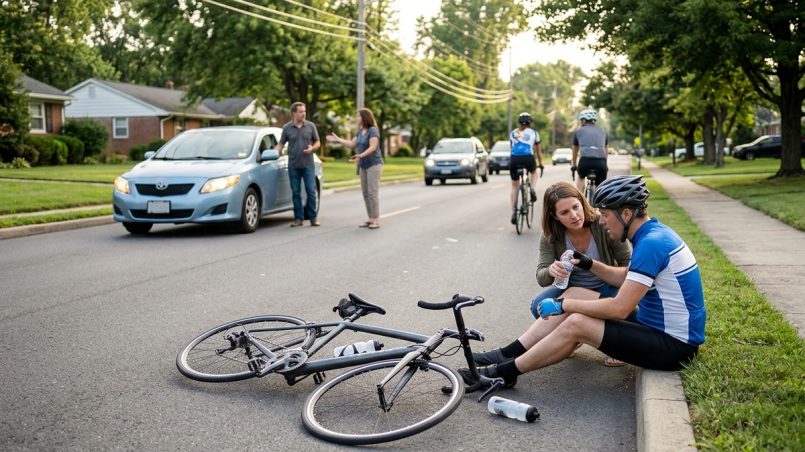
Damage to the bicycle can create a major financial loss alongside medical bills and missed work. A rider may be able to recover repair or replacement costs after a bicycle accident when another party caused the damage. The amount available often depends on the bicycle’s condition, market value, repair safety, available evidence, and applicable insurance coverage.
Replacement Depends on Whether the Bicycle Can Be Safely Repaired
Insurance companies usually begin by asking whether repairs can return the bicycle to its pre-accident condition. Minor damage to wheels, cables, pedals, or replaceable components may support a repair claim rather than payment for an entirely new bicycle. Serious frame damage, however, can make replacement more appropriate, particularly when cracks, bending, or impact stress affect structural safety.
Qualified bicycle shops can provide written estimates that explain which parts failed and whether repairs are technically sound. Carbon-fiber frames deserve special attention because internal separation may not appear during a basic visual inspection. Professional assessments give bicycle accident claims stronger support than a rider’s personal belief that the bicycle no longer feels safe.
How Is a Damaged Bicycle’s Value Calculated?
A damaged bicycle is usually valued according to what a comparable used model was worth immediately before the bicycle crash, rather than what the owner originally paid. Brand, age, condition, service history, mileage, upgrades, and market demand can all affect the final amount. That calculation remains separate from compensation for bicycle related injuries, although both may form part of the same claim.
Receipts, serial numbers, maintenance records, dated photographs, dealer estimates, and listings for similar bicycles can help support a fair value. Custom builds often need extra documentation because standard pricing guides may overlook carbon wheels, electronic shifting, specialty handlebars, professional fitting, and other premium components. Strong evidence can help prevent an insurer from undervaluing an expensive bicycle or comparing it with a basic entry-level model.
Depreciation Can Reduce the Amount an Insurer Offers
Depreciation reflects the loss in value caused by age, wear, and ordinary use before the bike accident happened. Insurers often subtract depreciation from the original cost instead of paying the full price of a current replacement. That method can create a gap when an older bicycle remains dependable but comparable models now cost much more.
Replacement-cost coverage may produce a different result under certain policies, although it is not automatically available in every bicycle accident case. The policy language may require the owner to purchase a replacement before receiving the remaining amount above actual cash value. Careful review helps clarify whether the claim pays depreciated value, repair expense, or the cost of comparable new equipment.
Custom Components Should Be Documented Separately
Upgrades can add considerable value beyond the stock bicycle. Power meters, racing wheels, saddles, pedals, racks, suspension parts, upgraded brakes, and electronic drivetrains may each require separate valuation after a bicycle crash. Insurers may overlook these additions if the demand only lists the bicycle as one complete item.
Individual receipts provide the clearest proof, but service invoices, dated photographs, manufacturer records, and shop statements can also help. Installed parts may have their own depreciation rates and repair options, so listing them separately can produce a more accurate property damage calculation. Detailed inventories also reduce confusion about which accessories were permanently attached at the time of impact.
Damaged Helmets and Riding Gear May Be Included
Property loss often extends beyond the frame and wheels. Helmets, cycling computers, lights, prescription glasses, clothing, shoes, bags, locks, cameras, and phones may sustain damage during a bicycle accident. Each item can carry a replacement cost that belongs in the broader claim.
Helmets generally should not be reused after a significant impact, even when the outer shell looks intact. Manufacturers often recommend replacement because the inner protective material may have compressed during the collision. Photographs, purchase records, and current prices for comparable gear can support these additional losses in bicycle accident cases.
Preserving the Bicycle Protects the Property Damage Claim
Repairing, selling, or discarding the bicycle too soon can remove evidence needed to evaluate the bicycle crash. Damage patterns may show where the vehicle made contact, how force traveled through the frame, or whether a component failed before impact. Keeping the bicycle unchanged allows insurers, attorneys, and technical experts to inspect it.
Secure storage also prevents further deterioration that could create arguments about when the damage occurred. Owners should photograph the bicycle from several angles, including close views of cracks, bent parts, paint transfer, and scraped surfaces. Written estimates should be obtained before authorizing work, especially if liability remains disputed.
Which Insurance Policy May Pay for the Loss?
The at-fault driver’s property damage liability coverage may pay repair or replacement costs after a bicycle accident. Coverage depends on proof of responsibility and the available policy limit. Claims involving several damaged vehicles or expensive property may compete for the same limited pool of insurance funds.
Homeowners, renters, uninsured motorist property damage, or specialized bicycle policies may offer another source of payment in certain situations. Deductibles, exclusions, reimbursement rights, and policy definitions can change the amount available. Multiple policies should be reviewed carefully to avoid missed coverage or duplicate-payment disputes.
Loss of Use Can Matter While the Bicycle Is Unavailable
A cyclist may depend on the bicycle for commuting, deliveries, training, or basic transportation. Rental expenses, public transit fares, rideshare charges, and other temporary transportation costs may become part of bicycle accident claims when they are reasonable and well documented.
Daily inconvenience alone does not always produce payment, but actual out-of-pocket costs are easier to establish. Riders should keep receipts, dates, mileage records, and explanations showing why alternate transportation was necessary. The Lackey Law Firm can review repair estimates, replacement values, custom upgrades, damaged gear, insurance policies, and loss-of-use expenses, helping injured cyclists pursue property compensation that reflects the true financial effect of the bicycle accident.